Category Archives: Uncategorized

“Big Infrastructure, Capacity Building, and State-Wide Scale-Up…”: Mike Kirst on the Need to Revitalize Standards-Based Reform

Nearing the end of 2024, it’s an opportune time for Looking Back to Look Forward. In this case, that means looking back on the standards-based education reforms of the 1990’s through a reflection and report from Mike Kirst. As Dick Jung describes in his book and blog series about Kirst’s career and impact, Kirst is an “uncommon academic;” at the same time that Kirst has been a professor of education at Stanford University he has also been an influential public servant. Kirst has been a trusted advisor to California’s former Governor Jerry Brown, and Kirst served four terms as President of the California State Board of Education. This week, IEN highlights Kirst’s continuing influence by sharing a quote from a blog post Kirst wrote for Policy Analysis for California Education along with excerpts from the latest installment of the “Uncommon academic” blog series. Both the blog post and the 21st installment discuss the Kirst’s latest report for the Learning Policy Institute on some the standards based reforms in which he has been intimately involved. (For a previous post on Mike Kirst’s career see Making public policy work for education: Reflections on the career of Mike Kirst)

“After ending my fourth term as president of the California State Board of Education in 2019, I have begun to reflect, in my sixth decade of education policy, about what I did right and what I should have done differently. In my time on the board, we organized many policies around and integrated them with the state standards in English Language Arts, Mathematics, and Science. California made significant progress toward creating coherent and aligned state policies aimed at helping local districts implement the Common Core State Standards. We coupled these policies with a new, more equitable funding system—the Local Control Funding Formula (LCFF)—and a multiple measures accountability system.

Looking back, it was naïve to believe that these policy reforms alone would be enough to achieve the desired impact. We successfully corrected for some of the failures of prior attempts to generate educational improvement by over-focusing on accountability (embodied by policies like No Child Left Behind). I failed, however, to realize the extent to which accountability-focused approaches of the past had underinvested in building the system capacity necessary to support educators in developing the knowledge and skills that would enable them to teach successfully in the new ways that the new standards demanded. Our policies did not do enough to overcome this deficit.”  

— Mike Kirst, Looking Back, Moving Forward: A Vision for Instructional Capacity in California
A Clarion Call for Reform from an ‘Uncommon Academic’ Excerpts from the 21st installment of the Mike Kirst Biography Project produced by Richard Jung

This installment of the Mike Kirst Biography Project features Mike himself, speaking of his rationale and intentions as he toiled, in his eighties, over the lessons from decades of research and policymaking.  This installment allows you to see and hear, through video and audio clips, Mike’s sense of what is most important for policymakers to know and do toward lifting local education practices to meet high standards (standards-based reform).

He elaborates—in his own words, often with captivating metaphors—the answers to three questions:

  • Why has he spent the first five years in his eighties researching and writing this Report?
  • Why have many K-12 education reform efforts, including his own, fallen short?
  • What should be done differently going forward?

So, let’s take a more personalized plunge into the education policy approach of standards-based K-12 education reform, enhanced by recent interviews with Mike.

Mike’s “More-Focused Heart” Years

In the report’s first sentence, Mike writes that its genesis was when he turned 80. His longtime Stanford colleague, walking partner, and hand-selected successor as California’s State Board of President, Linda Darling-Hammond, then President of Learning Policy Institute (LPI), and he had “discussions.” He agreed with her and others that “[a]after almost 60 years of working full-time in education and doing research, I thought it was a good time for me to reflect on” that previous work in federal and state education reform efforts “and to synthesize the research focusing on the impact of standards-based reforms.”3

As Mike turned 80, he reviewed the current research literature. He saw that there was a much deeper understanding of how difficult it is to change classroom instruction and that California had no master plan or strategy based on that research, particularly for math instruction.

Mike persisted for the next three years, through his early 80s, to gather and reflect on this research at a time when, as he writes in this “Preface,” “the COVID-19 pandemic was the overwhelming focus of education policy.” A series of LPI editors worked with him to refine and polish the Report. And now, some five years after those initial discussions with Linda Darling-Hammond, Mike believes “public attention” might be “more receptive to classroom instruction issues and the core subject matter curricula of k-12 schools.”4

Professionally, Mike’s septuagenarian years had hardly been “serene,” unlike those of suffragist Scott-Maxwell noted above. During his stint leading the state board of education and working hand-in-hand with then-Governor Jerry Brown from 2011 through 2019, Mike had led the charge with others to pass and then start to implement one of the country’s most successful school finance and governance reforms, the Local Control Funding Formula (LCFF)  which enhanced both quality and equity in the state’s distribution of funds and accountability for their use.5

With others, he began working quietly—perhaps less quietly recently—behind the scenes to stir up enthusiasm about the standards-based reform ideas embedded in the LCFF, e.g., that standards-based reform involves setting standards and aligning curriculum, instruction, and assessment practices to those standards to ensure that all students have the opportunity to meet high expectations, thereby enhancing both quality and equity.

By the time he was almost 82, in July 2021, like writer and activist Scott-Maxwell, Mike was becoming “more intense” as he aged. He began publicly to “let the cat out of the bag” about his sense of the critical next steps toward fully implementing standards-based reforms when he delivered his acceptance remarks as he received the prestigious  James Bryant Conant Award from the Education Commission of the States.

In his acceptance speech (this clip below), he begins, as is his wont, with a sports analogy—of “being in the fourth inning of a nine-inning ballgame when we got rained out by Covid”—to summarize California’s complex education policy situation as implementation of the reforms in the LCFF were to roll out. He had already highlighted that “local capacity building” is the place to start and emphasized that again. There’s a lot to unpack from this two-minute clip. Let’s first listen in:

Even amid the COVID-19 shut-down of schools across California and most of the country in 2021, Mike looked into the future and beyond when K-12 schools would be fully operational. He drew upon his decades of education policy research and policymaker experience to note, “States… can’t mandate—we can’t even incentivize very well what teachers and principals and school people do together.” Further, “when the teacher closes the classroom door, she or he has the impact, in effect, of a pocket veto, over whether state policies are implemented or not.”

As a politics of education expert, the pocket-veto power of teachers once the teacher closes the classroom door is a metaphor that Mike has often used to depict that state, federal, or even local policymakers cannot merely “mandate” or require classroom practices to improve instruction.

As you can hear in this clip, Mike had been looking in the U.S. and other countries for ways to build the “massive infrastructure” needed to effect reforms in California. He cites Ontario, Canada, Singapore, Australia, Finland, and some states in America, several of which were sites for his early policy work.6 He offers this tease: “I can’t describe all of this to you now, but you’ll be hearing more from me about …”big thinking, big infrastructure, big capacity building, and state-wide scale-up… in the next months and years.”

Now, three years later, Mike has found a more apt metaphor for the complexity of improving classroom instruction; it’s an analogy he picked up from Harvard University’s Richard Elmore.7 Mike now observes that “education policy, particularly at the federal and state level, is like a shell of a turtle. The shell’s important for the turtle, but moving and important, complex parts are underneath. Mike believes that “at this time in my career, my focus is on the operating parts of the turtle rather than on the ‘shell’ of finance and governance.”8
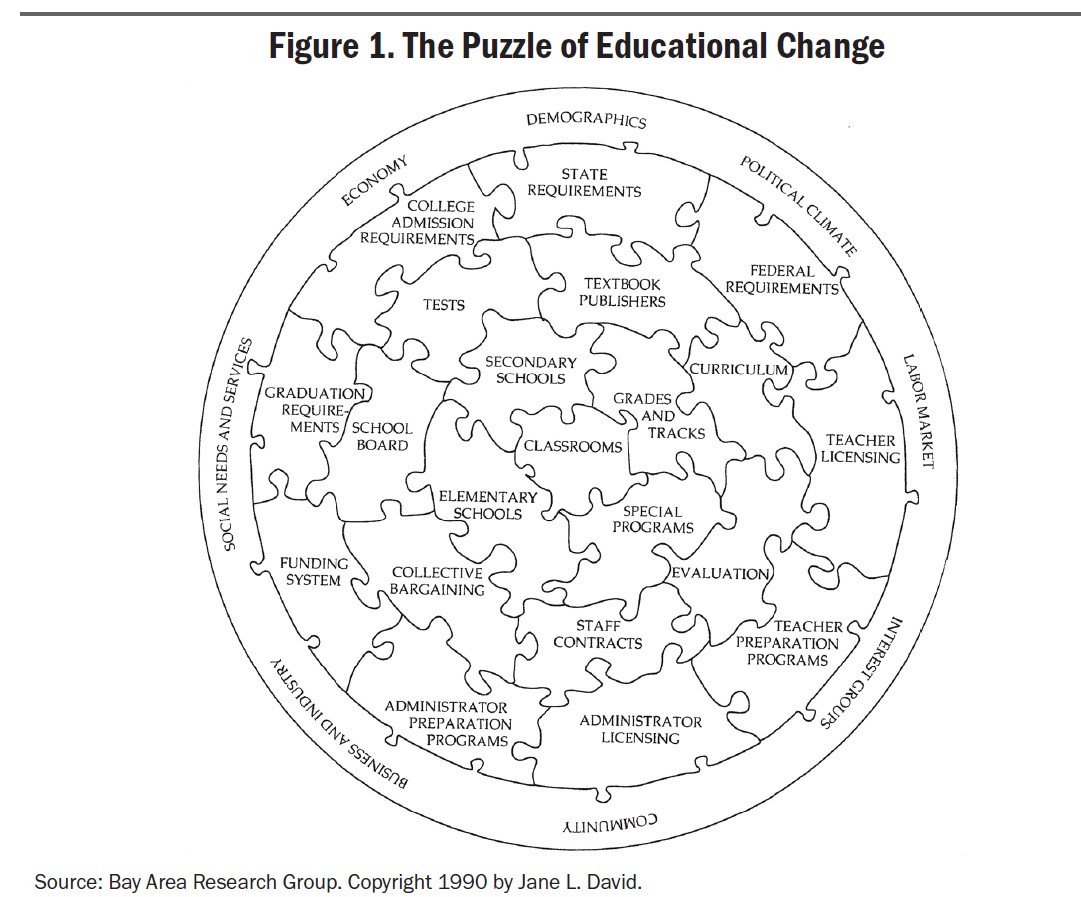
To illustrate this portrayal of education policy by drawing on the Elmore turtle analogy, he borrows an image from his research colleague Jane David, who calls it “the puzzle of educational change.” Mike explains in the Report, “David’s diagram is daunting in its complexity and helps illustrate why it has taken years of effort even to begin to align the supports for standards-based reform, long after support for the concept itself took hold.” In other words it’s one thing to create strong standards. It’s quite another for “those standards” to make “their way into instruction” inside the classroom.9

Massive Infrastructure Needed for Scale-Up

The publication of Looking Back to Look Forward is evidence of Mike’s focus since his Conant Award acceptance speech three years ago. He had been deliberating on the nature of and the necessity for a  “massive” post-COVID standards-based reform of California’s K-12 education system. The word “massive” appears in the Report nine times.

In his “long paper,” he states that all states, “even those…in the midst of piecemeal improvements to instructional capacity-building…would benefit from broader thinking and planning. The objective should be to create a lasting education infrastructure similar to the federal interstate highway system of the 1950s.”10 Mike’s point with this analogy to the National Interstate and Defense Highways Act is that it took 15 years to pour all the concrete to complete our country’s interstate highway system. With COVID hitting only a few years after the standards reform legislation in California was enacted, much of the “concrete” in terms of essential “capacity-building” for improving instruction had only begun to be “poured” or put in place.

“The key word is ‘capacity-building’  of local educators.”

Recall that in the Conant acceptance speech, he told the audience that “the keyword is ‘capacity building” at the local level, that “this capacity building has many aspects,” and that education reformers in other countries had told him, “we build this capacity building into the districts” and “we build it into every day” and “into the professional work of teachers through expanded professional development.”  Mike details this local capacity effort in other countries and states, including Massachusetts and Louisiana, on pages 69 through 76 of Looking Back to Look Forward.

Mike Notes Two Caveats about the LPI Monograph

Mike’s thinking evolved in several significant ways as the publication of this paper “percolated.” Most notably, he, with other colleagues, now more fully admits “how hard it is to scale up PD [professional development]…to statewide implementation.”11 He also recently reflected on two caveats about the paper, especially its conclusions. Click on the link below to hear more from Mike about the first of these:

Mike Kirst: A limitation of the LPI monograph: “The paper ends very vaguely…” (audio, 35 seconds) 

Mike is delighted that the monograph is now out but laments that it “essentially ends with a plea for a detailed plan with very little detail.”  He continues, “I’ve learned now more than I had in the paper about how hard it is.”12 after recently working with several groups–including the California Collaboration on District Reform and the California Math Roundtable, which he refers to jointly as the “collaborative” in this interview excerpt.  Voicing some frustration, Mike concludes, “There is no detailed strategic plan in this paper because nobody has ever done one.” 

He asks rhetorically specifically for math, “So what’s your strategic plan for teachers to teach the math curriculum in California when the students are all over the map in math? You have so much diversity, particularly in that subject, even within middle-class and upper-class classrooms. And so that’s why it’s not there.”13

The second limitation Mike now sees in his Report is that he failed to more forcefully note that educational policy has been imbalanced too frequently, failing to emphasize capacity-building as much as accountability. Click on the link below to listen to how he explains this limitation in his own words:

Mike Kirst:  I wish I had emphasized more “the ‘accountability-capacity’ imbalance trend in education policy over many years.” (audio, 39 seconds) 

Referring to Harvard’s famed education policy researcher, Richard Elmore—what Mike calls “Elmore’s Law—Kirst notes that for too many years, policymakers have put too much emphasis on accountability up front rather than understanding that successful implementation requires more initial investments in capacity building.14 Using a scale of justice metaphor, he notes that even a recent California education funding initiative had still made this mistake when it had “ratcheted up accountability but with no real systematic capacity” and that it’s “a common mistake” among policymakers to “lead with accountability and never get around to capacity building.”

Still Living His Mantra 

Before LPI published  Mike’s “long paper,” Kirst was cautious in what he said publicly about his behind-the-scenes efforts to advance his standards-based reform project, which is close to his heart. That didn’t stop others from wanting to hear more about Mike’s education reform ideas. Earlier this year, for example, Dr. Lisa Andrew, President and CEO of Silicon Valley Education Foundation, hosted for Forbes Books a two-part series offering what she summarized as “a unique bird’s eye perspective on education’s challenges and opportunities,” with the impatient foot-tapping title of “They are Waiting For Us”, perhaps unwittingly reflecting Mike’s wanting for the past several years to get out the ideas now appearing in this LPI paper.

Mike begins this Report with more than a hint of that impatience, noting that the COVID-19 pandemic became “the overwhelming focus of education policy for three years.” So, he and LPI leadership decided to “wait until public attention was more receptive to classroom instruction issues and the core subject matter curriculum of K-12 schools ” to release the monograph.15  With the publication of this Report early in the 2024-25 school year, Mike boldly exhorts, “Now is not the time to give up on state standards.” Instead, he insists, “There is no better time than now to proceed.”16

We note, however, that Mike’s “now” is tempered in his “long paper’s” closing observation that “providing sufficient capacity-building for teachers in making major instructional shifts is more realistically implemented over a decade or more rather than in… a few years”—cautioning policymakers once again to adhere to his time-proven policy reform mantra  of: “patience, persistence, humility, and continuous improvement.” reiterated in the Report’s concluding sentence.”17

See 21st Installment: A Clarion Call for Reform from an ‘Uncommon Academic’ for the complete post, notes, and citations.
Do Adults Have the Skills They Need? Scanning the International Headlines on the 2023 Survey of Adult Skills

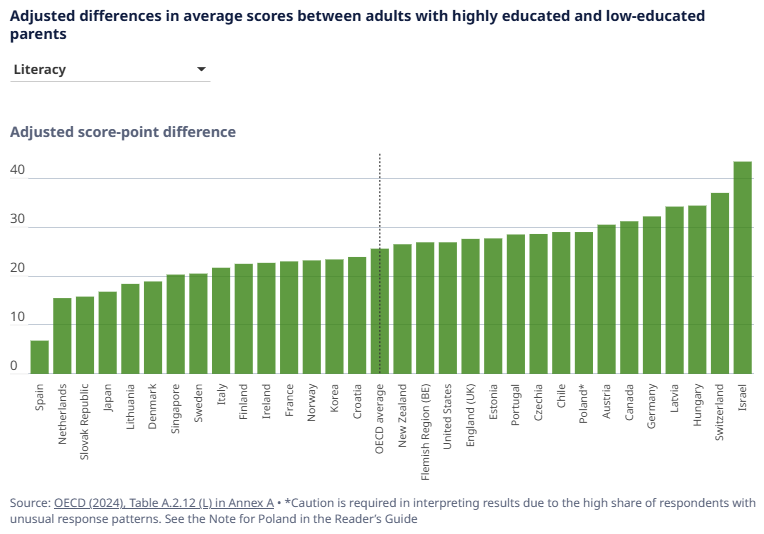
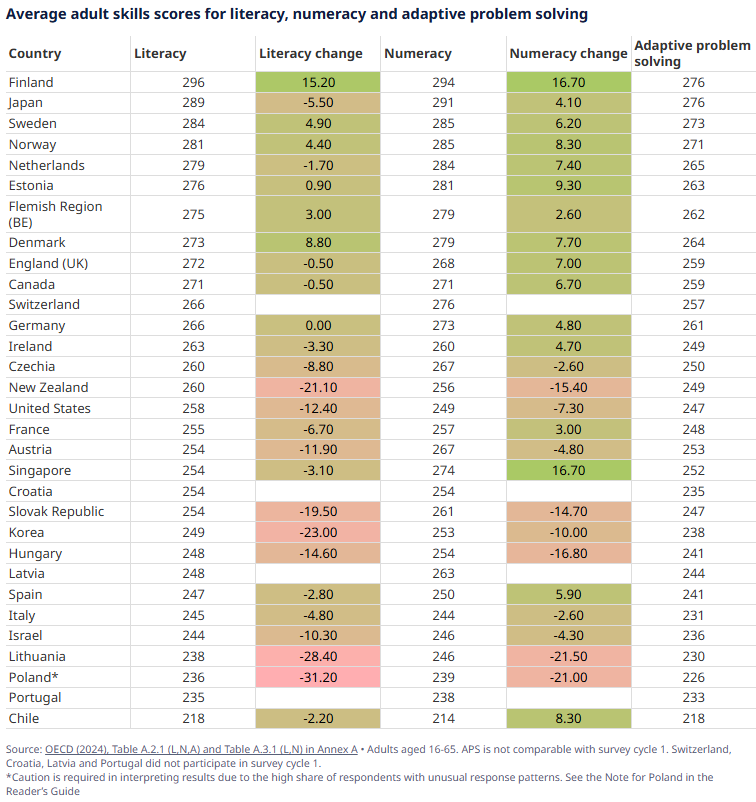
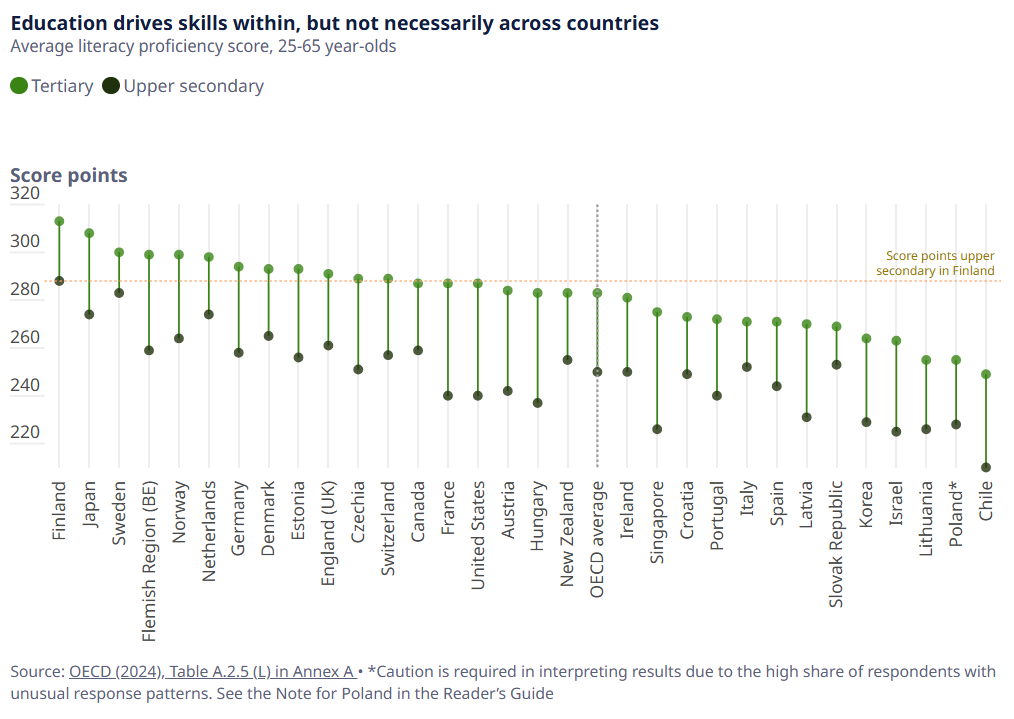
Do adults have the skills they need to thrive in a changing world? That’s the question OECD asks in its report on the results from the 2023 Survey of Adult Skills.  In many places, the answer seems to be maybe not. 160,000 16 – 65 year olds in 31 participating education systems took the test and only test-takers in Finland and Denmark improved their scores in literacy, with scores in the other participating systems remaining stable or declining since the data collection began in 2011. 8 of the 31 systems improved in math, but in both literacy and math the lowest-performing adults have shown the biggest  decline in scores. Along with the latest scan of the headlines in the education sources we follow, this week’s post provides a brief summary of some of the key take-aways reported. Produced by OECD’s Programme for the International Assessment of Adult Competencies (PIAAC), this estimate of adult skills comes only a few weeks after the latest release of the results of the Trends in Mathematics and Science Survey (TIMSS), which assesses the skills of 15 year-olds (Around the World in Math and Science: Scanning the headlines on the results of TIMSS 2023).

Key Takeaways from the 2023 Survey of Adult Skills

  • Finland, Japan, the Netherlands, Norway and Sweden excel in the three tested areas of literacy, numeracy, and problem solving, with significant percentages of adults showing “advanced” abilities.
  • Finnish high school graduates outperform those with college/tertiary education degrees in several countries, including Chile, Israel and Lithuania.
  • Adults who show high levels of skill in numeracy are 11 percentage points more likely to report very good or excellent health compared to those with low numeracy skills
  • On average, across participating systems, 18% of adults lack even the most basic levels of proficiency in any of the domains, but the performance of the top 10% has improved, leading to widening skills inequalities within countries
  • Adults with highly educated parents outscored those with “low-educated” parents by 50 percentage points in literacy
  • Singapore and the United States displayed the largest skills inequalities in literacy and numeracy
  • Disparities in educational attainment are largest in Israel, Switzerland, and Hungary (34 percentage points) and smallest in Spain (7 points)

Headlines

Are adults forgetting how to read? The Economist

England

Workers in England more likely to be overqualified than global peers, finds OECD, Financial Times

OECD (PIAAC) Survey: England’s Youth Skills Show Dramatic Improvement Since 2012, FE News

Finland

Finland shines in “adult Pisa” ranking, Yle

Israel

Israeli skills in literacy, math and problem-solving ‘below OECD average’ – report, The Times of Israel

Italy

Italy, a country of functional illiterates, Finestre sull’Arte

Japan

Japan scores high in OECD survey of adult skills, NHK World

Japan again ranks at or near top of survey on adult skills, The Asahi Shimbun

New Zealand

NZ tumbles in international adult literacy, maths rankings, RNZ

Singapore

Singapore improves in OECD ranking of adult skills, but atrophy in literacy a concern, The Straits Times

Spain

30% of Spanish adults do not have minimum skills in mathematics and reading, La Vanguardia

Ukraine

Adults losing edge: Quarter now less skilled than children, RBC Ukraine

United States

In a Test of Adult Know-How, America Comes Up Short, The Wall Street Journal

Survey: Growing number of U.S. adults lack literacy skills, NBC News

U.S. Reading and Math Gap Is Getting Worse for Adults, Too, Education News

What’s next for US education? Scanning the post-election headlines

ave on schools, on students, and on a number of education issues. In this week’s post, IEN shares some of the headlines as well as those discussing the results of governor’s races and local propositions with particular relevance for education. 

Results: Education Week’s Guide to the 2024 Election, Education Week

Education policy: How it will shift under new administration , District Administration

Trump has won a second term. Here’s what that means for schools., Chalkbeat

Experts expect civil rights enforcement to change and transgender students to lose new protections.
What’s at Stake for Schools as Trump Returns to the White House, Education Week

How Trump’s Second Term Will Affect Education: 4 Things to Know, Education Week

What education could look like under Trump and Vance, Hechinger Report

What a Second Trump Presidency Could Mean for Education in the U.S.The 74

Can Trump Force Schools to Change Their Curricula?, Education Week

Trump pledged to cut federal funding to schools “pushing critical race theory” and “transgender insanity.”

Trump has vowed to push schools to the right on gender and race. Now he can, Washington Post

What will Donald Trump’s 2nd term mean for Title IX?, K-12 Dive

Education Department’s future uncertain under Trump, Education Week

Can Trump Really Dismantle the Department of Education?, Education Week

Will Trump eliminate the federal role in education or weaponize it?, Flypaper

Is the federal role in education slated for elimination or expansion?…There’s no way to be sure today. But there’s ample reason to be unsure, and that’s because the Trump world has long sent exceedingly mixed messages when it comes to K-12 education and the federal role therein.

Trump’s Push to Expand Choice, Nix the Ed. Dept. Takes on New Momentum, Education Week

Would axing the Education Department hurt kids with disabilities? Experts say: It depends, Chalkbeat

Trump has called for abolishing the U.S. Department of Education. How that affects students with disabilities would depend a lot on what happens next.

What will a second Trump term mean for education and libraries?, School Library Journal

How Trump Could Roll Back Access to Free School Lunches, Education Week

A policy that allows schools to serve free meals to all students may be under fire.

Colleges wonder if they will be ‘the enemy’ under trump, New York Times

New Appointees Impact on Education?

Trump picks Linda McMahon to lead, and possibly dismantle, Education Department, Chalkbeat

Trump Taps Linda McMahon, Donor and Former Wrestling Exec, to be Education Chief, The74

Despite championing apprenticeships and workforce development, her main charge may be dismantling the department she’s set to lead.

5 things to know about Linda McMahon, Trump’s pick for Education secretary, The Hill

Betsy DeVos’ Advice for Trump’s Next Education Secretary, Education Week

What Elon Musk’s New Role in the Trump Administration Means for Schools, Education Week

Musk’s new role may have big implications for schools. 

Trump’s Defense Pick Pete Hegseth has an opening to reshape American Classrooms, Politico

Pete Hegseth has pushed for years to steep American education in patriotic principles and Christian theology — and he could implement that vision for thousands of military families if he’s confirmed to lead the Defense Department.

What Could RFK Jr. as HHS Secretary Mean for School Vaccine Requirements?, Education Week

The vaccine skeptic in line to lead Health and Human Services could influence schools’ vaccine rules

How RFK Jr. could shake up school lunches, K-12 Dive

Trump picks Rollins to lead USDA — and thus school nutrition programs, K-12 Dive

What Trump’s pick for FCC chair could mean for E-rate expansion, K-12 Dive

Effects on States, Cities, and Students

What the new Trump presidency could mean for California students and schools, EdSource

California education leaders try to reassure students of protections against Trump policies, EdSource

Many California children and their families, including immigrants, transgender students and Black and Latino students, are feeling fear and uncertainty.

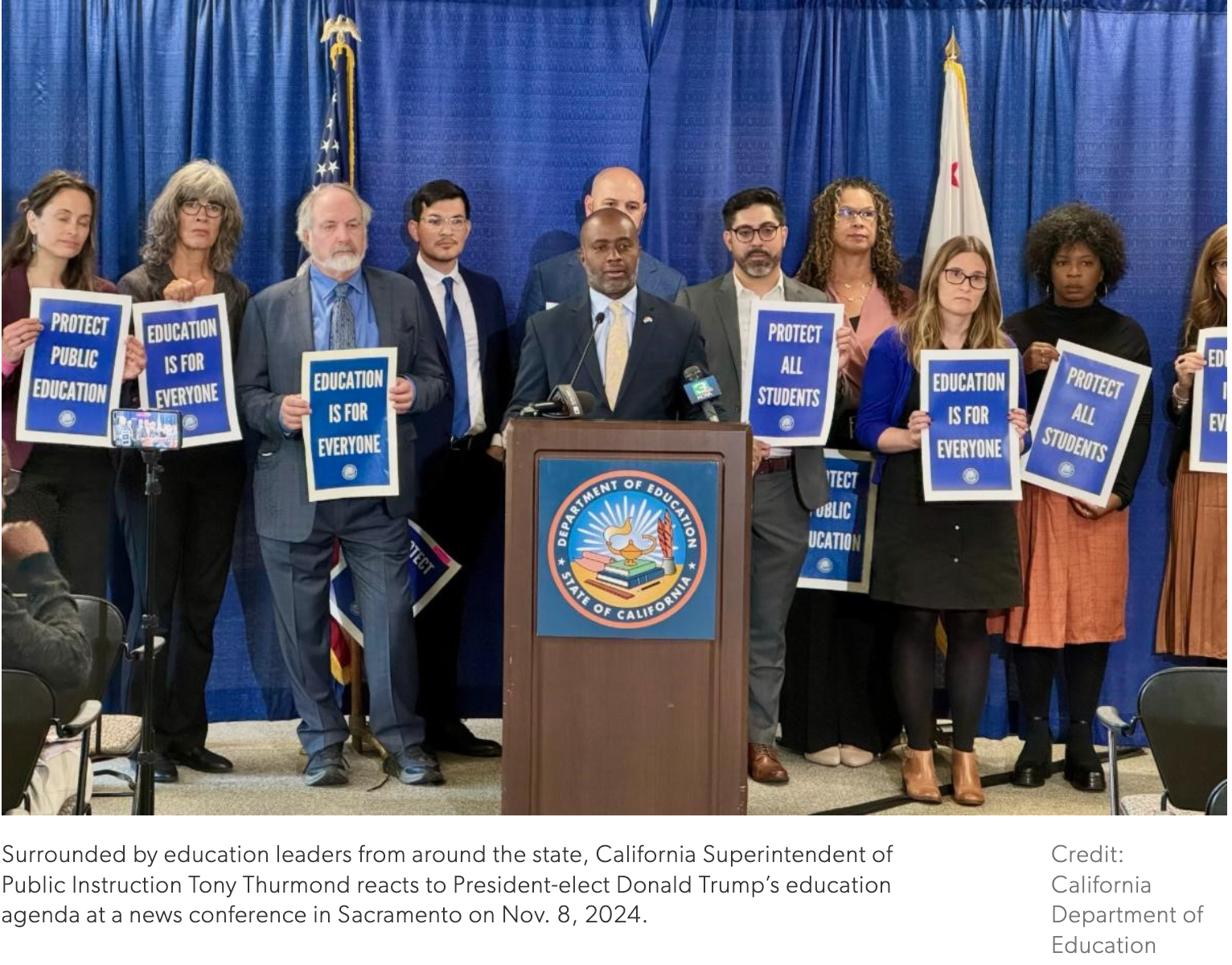
California schools chief pledges to resist cuts in funding if Trump axes U.S. Dept. of Education, EdSource

Here are how Donald Trump’s promised policy changes could be felt in NYC, Gothamist

Eliminating the Department of Education: What it could mean for NYC, PIX11

In wake of Trump win, Chicago Board of Education moves to reaffirm protections for immigrants, Chalkbeat

Philly students walked out of their classes in protest of Trump’s election win, Chalkbeat

High schoolers said they are concerned about the president-elect’s policies about education, climate change, and reproductive rights.

Young Voters Favored Abortion Rights and President-Elect Trump, New Data Shows, The74

“More than a dozen states had ballot measures related to protecting or codifying access to abortion rights, the majority of which passed. But for Gen Z, being pro-reproductive rights did not equate to voting Democratic. In Florida, over half (52%) of young voters favored ending the state’s six-week abortion ban while supporting Trump by a 10-point margin.”

Trump pledged to roll back protections for transgender students. They’re flooding crisis hotlines, AP

School Leaders Confront Racist Texts, Harmful Rhetoric After Divisive Election, Education Week

Educators say inflammatory rhetoric from the campaign trail is in schools.

FBI investigating post-election text threats sent to Latino, LGBTQ people, many of them young, Washington Post

Protecting undocumented students: How schools and colleges are responding to Trump’s second term, El País

Governors, States, and Local Issues & Propositions

Where Newly Elected Governors Stand on Education Policies – 2024, ExcelinEd

Eleven newly elected governors have big plans for education in their states, with a focus on key issues including school funding, teacher retention, early literacy, math proficiency, career readiness, and school choice.

Texas will approve school vouchers, boost public education spending, governor says, Hechinger Report

Republican Victories in Texas House Give Governor Abbott a Path to Universal Education Savings Accounts, The74

Clashing with Dems’ Education Plan, Republicans Expand Reach in Arizona’s Legislature, The74

In a huge upset for Democrats hoping to curb growth of private school vouchers, GOP lawmakers to lead both houses.

Democratic frontrunner and former teacher Matt Meyer elected Delaware’s next governor, The74

Mike Braun Wins Governor’s Race in Indiana Against Career Educator, The74

Josh Stein Wins Governor’s Race in North Carolina. What’s Next for the Schools, The74

Former North Carolina Superintendent Defeats MAGA Homeschooler for Schools Chief, The74

How did K-12 fare on state ballots in the 2024 election?, K-12 Drive

Voters largely rejected school choice initiatives but embraced a variety of school funding measures

How Child-Focused Ballot Measures Fared This Election, The74

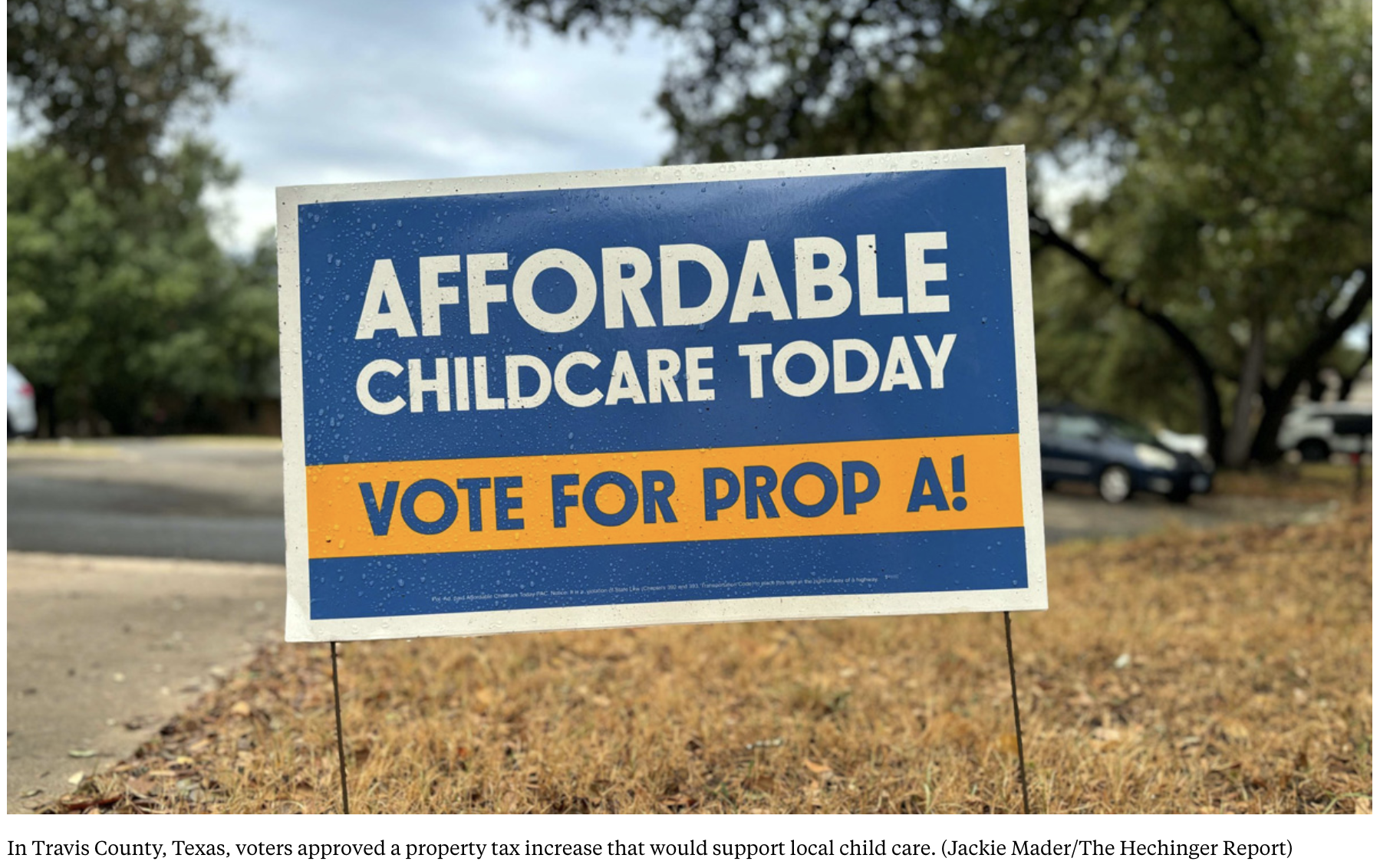
Child care won at the ballot box, Hechinger Report

A bigger child tax credit could ease child poverty and help students in school. But will it happen?, Chalkbeat

Candidates promised a larger child tax credit. Now a Republican-controlled Congress will decide its fate.

School choice may get its biggest moment yet, Hechinger Report

Advocates ready their plans for a new administration they believe will be friendly to vouchers, charters and other schooling options

Ballot Propositions: Voters in 2 States Reject Private School Choice, The74

Voters in Kentucky and Nebraska said no to private school choice Tuesday, dashing the hopes of advocates who wanted to further advance the movement for vouchers and education savings accounts. 

The Future of School Choice in the States That Rejected It, Governing

Voters in three states rejected ballot measures promoting school choice. But they didn’t reject the legislators who favor it.

In Deep-Red Florida, Voters Reject Partisan School Board Races, Education Week

Did School Battles Hurt Democrats in Liberal Strongholds?, New York Times

Voters in the Virginia suburbs shifted toward Trump. Some said they were still frustrated by pandemic closures and fights over gender, race and testing in schools.

Massachusetts Will Do Away With High School Standardized Testing Graduation Requirement, The74

Around the World in Math and Science: Scanning the headlines on the results of TIMSS 2023

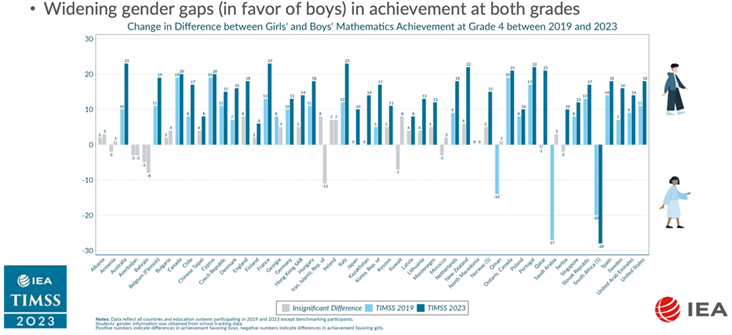
Holding steady in fourth grade but dropping at 8th grade sums up some of the key results from the eighth administration of the Trends in Mathematics and Science Study. The results, released on December 4, 2024, show that 8th graders in only three countries showed an increase in average math scores (Romania, Sweden, UAE) or in average science scores (England, Hong Kong, UAE), but that roughly equal numbers of countries saw increases or decreases in their math or science scores at the 4th grade level. Top performers in both subjects, as usual, included Asian countries like Singapore, South Korea, and Japan. 650,000 fourth and eighth graders in 64 countries participated in the tests in 2023, which also showed a widening gender gap as boys outperformed girls by significant margins in many education systems. Headlines touted gains in some countries like the United Arab Emirates, Turkey and Australia, but highlighted concerns about substantial declines in performance in countries like Israel and the US. In the US, the drop in scores was particularly pronounced for the lowest performing students, with one in five 8th graders able to demonstrate even a basic level of proficiency. Adding to the concerns, yesterday, December 10, OECD released the latest results of the 2023 administration of the Program for the International Assessment of Adult Competencies (PIAAC) which showed US adults are getting worse at reading and math as well, while adults in Finland, Japan, the Netherlands, Norway and Sweden excelled in literacy, numeracy and adaptive problem-solving. To put the latest international assessment figures in a historical context, see the scan of headlines related to the PISA 2022 results, the PISA 208 results and the results of TIMSS 2015.

Australia

Australian primary students score best ever result in global maths and science test, despite pandemic disruption,The Guardian

‘Interesting and disappointing’: Gap between girls and boys in STEM subjects growing, report shows, ABC

Bulgaria

Bulgaria’s Fourth Graders Score 530 in Mathematics and Science, Outperforming Global Averages in 2023 TIMSS Study, Bulgarian News Agency

Bulgaria’s results place its students roughly 14th or 15th globally… Bulgaria’s 530-point score in mathematics matches Czechia and Sweden, surpasses Finland by one point, and exceeds Australia and Germany by 5 and 6 points, respectively.

England

England moves into top five in global rankings for science, Time & Star

Timss 2023: Year 5 maths declines for first time but science scores surge, TES

France

France ranks last in Europe for math skills as education system ‘plagued by inequality’, Anadolu Agency

Hong Kong

Hong Kong students excel in TIMSS 2023 results, Dimsum Daily

“Hong Kong students have consistently demonstrated high levels of performance in mathematics. Our Primary Four students ranked fourth globally with a score of 594, markedly surpassing the international average of 503. Meanwhile, our Secondary Two students secured fifth place with a score of 575, well above the international average of 478. Notably, 38% of Primary Four and 32% of Secondary Two students achieved advanced levels in mathematics, compared to the international median of just 7%.”

Ireland

Pupils in Ireland among top maths performers in Europe, global study finds, The Irish Times

Performance by girls in maths and science falls, RTÉ

Israel

2+2=5? Israeli student math, science scores plummet, study finds, Ynet News

Japan

Japanese Science, Math Scores Remain High in 2023, Nippon.com

Mystery lies behind gender gap in academic performance, The Asahi Shimbun

Latvia

Latvian pupils’ exam results in maths and natural sciences become worse, Baltic News Network

Macau

Macau’s P4 students excel in math and science in TIMSS 2023, Macau Daily Times

Malaysia

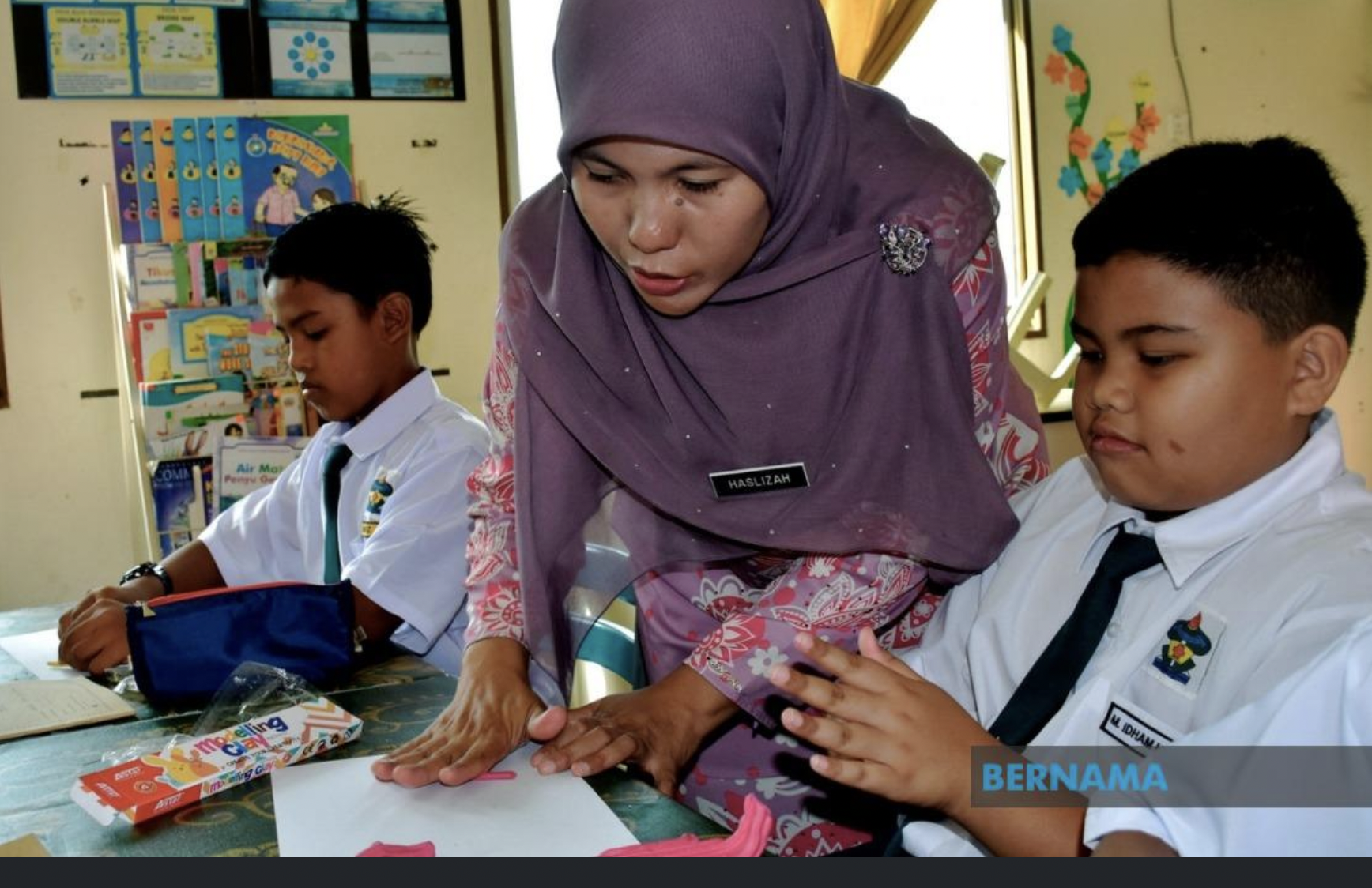
MOE Identifies Challenges In Maths, Science Learning Among Students, BERNAMA.com

Malaysia’s Participation Reflects Effectiveness, Quality Of Mathematics And Science Education, BERNAMA.com

Malta

Maltese students obtain positive results in Mathematics and Science, TVMnews.mt

Morocco

Moroccan Students’ Performance Declines in Mathematics, Science, Morocco World News

New Zealand

NZ school science results improve – but international testing highlights a stubborn socioeconomic gap, The Conversation

Taiwan

Taiwan ranks second in global math study for 2023, TVBS News

Singapore

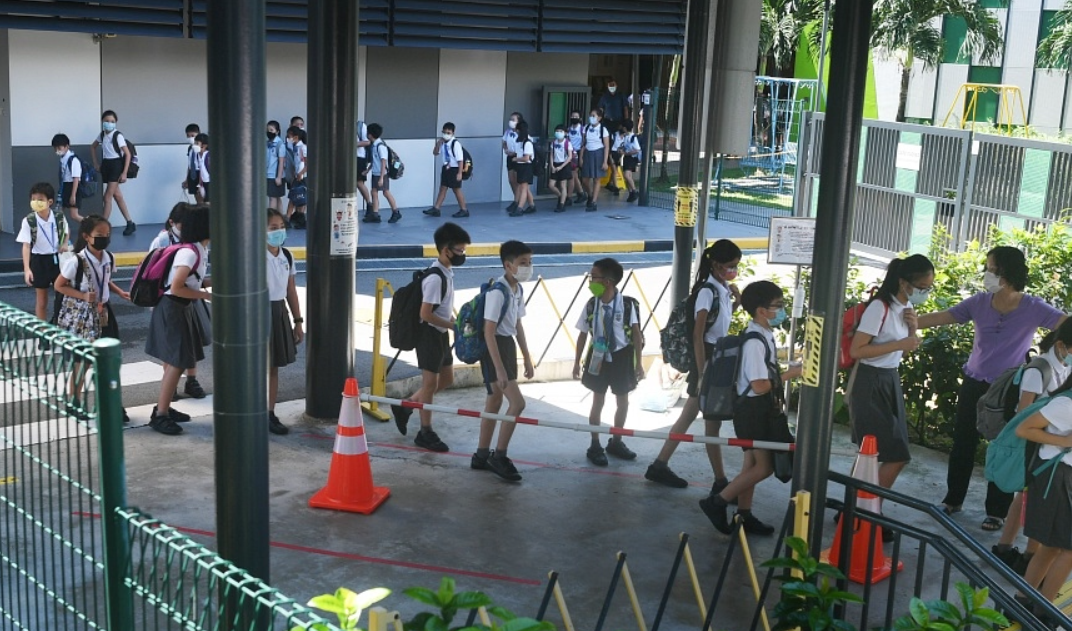
Singapore students top maths and science in 2023 international study, Straits Times

South Africa

Massive maths and science embarassment for South Africa, BusinessTech

South Africa’s grade 5 learners—who were largely assessed against grade 4 learners from other countries—placed stone last among the 58 nations assessed for both mathematics and science. The grade 9 learners—who were largely assessed against grade 8 learners from other countries—placed slightly better, ranking fifth-last, above Morocco, Brazil, Palestine and Jordan in mathematics, and second-last for science, placing above Morocco.

International maths, science study reveals SA Grade 9’s global maths success amid literacy challenges, News24

South Africa’s Grade 5 pupils have been ranked last out of 59 countries in maths and science in an international standardised test conducted last year. However, the country’s Grade 9 performance in maths in the Trends in International Mathematics and Science Study (TIMSS) has shown “a remarkable upward trend” after pupils’ scores improved by eight points from 389 in 2019 to 397 last year.

Spain

Los alumnos españoles bajan en matemáticas y ciencias y se agranda la brecha entre niños y niñas (Spanish students are falling behind in maths and science and the gap between boys and girls is widening), El Pais

España, a la cola en matemáticas y ciencias, según el TIMSS 2023 (Spain ranks last in math and science, according to TIMSS 2023), RTVE

“Balearic Islands, Canary Islands, Catalonia and Andalusia, the worst in Mathematics, according to the TIMSS 2023”

Turkey

Türkiye sees big gains in TIMSS 2023 science, math results, Daily Sabah

Türkiye emerges among top 5 in education improvement: TIMSS 2023 report, Hurriyet Daily News

Türkiye tops Europe in elementary science education: TIMSS 2023, Türkiye Today

United Arab Emirates

UAE tops Arab world in TIMSS 2023, The Print

United States

Some countries show improvements in math post-pandemic. Not the United States, Chalkbeat

U.S. students posted dire math declines on international test, New York Times

Math scores plummet, progress ‘erased,’ NCES reports, K-12 Dive

Average U.S. math scores on the latest Trends in International Mathematics and Science Study reverted to 1995 levels.”

Uzbekistan

Quarter of 4th and 8th graders lack basic understanding of subjects, TIMSS-2023 study reveals, Gazeta.uz

Supporting healthy development of rural children in China: The Sunshine Kindergartens of the Beijing Western Sunshine Rural Development Foundation

What does it take to support young children’s development in rural China? In this post, Thomas Hatch shares what he learned in a conversation this past May with Guangmin Li, Secretary General of the Beijing Western Sunshine Rural Development Foundation, and her colleagues. Established in 2006, the Foundation is dedicated to meeting needs of children in some of the most remote areas of China, many of whom have been left behind to live with grandparents or to attend boarding schools as their parents have moved to get jobs in larger cities. This post is the third in a series on early childhood education that includes articles from Norway and India.

What does life look like for children in rural China? Even many people living in China’s rapidly expanding urban centers at the turn of the 21st Century had relatively little direct knowledge of the daily living experiences throughout China’s rural provinces; but that began to change when a young college student, Shang Lifu, crisscrossed rural China from 1998 – 2002, biking and walking more than 90,000 miles. He took almost 10,000 photos and wrote a report that helped people in urban areas get to know parts of China that many had never seen. Lifu’s reporting inspired many initiatives to support life and education in rural China, including the establishment of the Western Sunshine Foundation. Since 2006, the Western Sunshine Foundation has been dedicated to the revitalization and development of remote areas in China with a special focus on providing teachers, students and children with opportunities for self-improvement. The foundation has pursued that mission by addressing three problems affecting youth development and education in some of the most remote areas of China: 

  • A lack of educational facilities and materials for children and adolescents aged 3 – 16
  • Little or no support for the personal, social, and emotional development of children in boarding schools
  •  Limited opportunities for the training and development of teachers. 
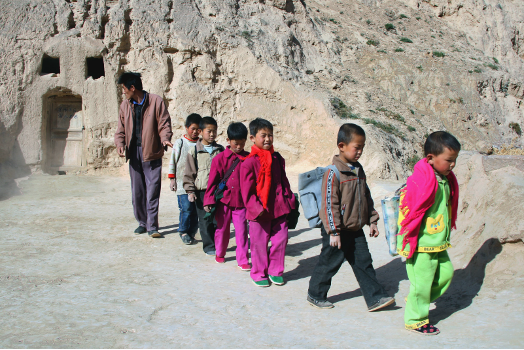
Photo of children in 2006 in Huining
County, Gansu Province, China leaving the cave where they had school

Supporting the “Last mile” for early childhood education in rural China
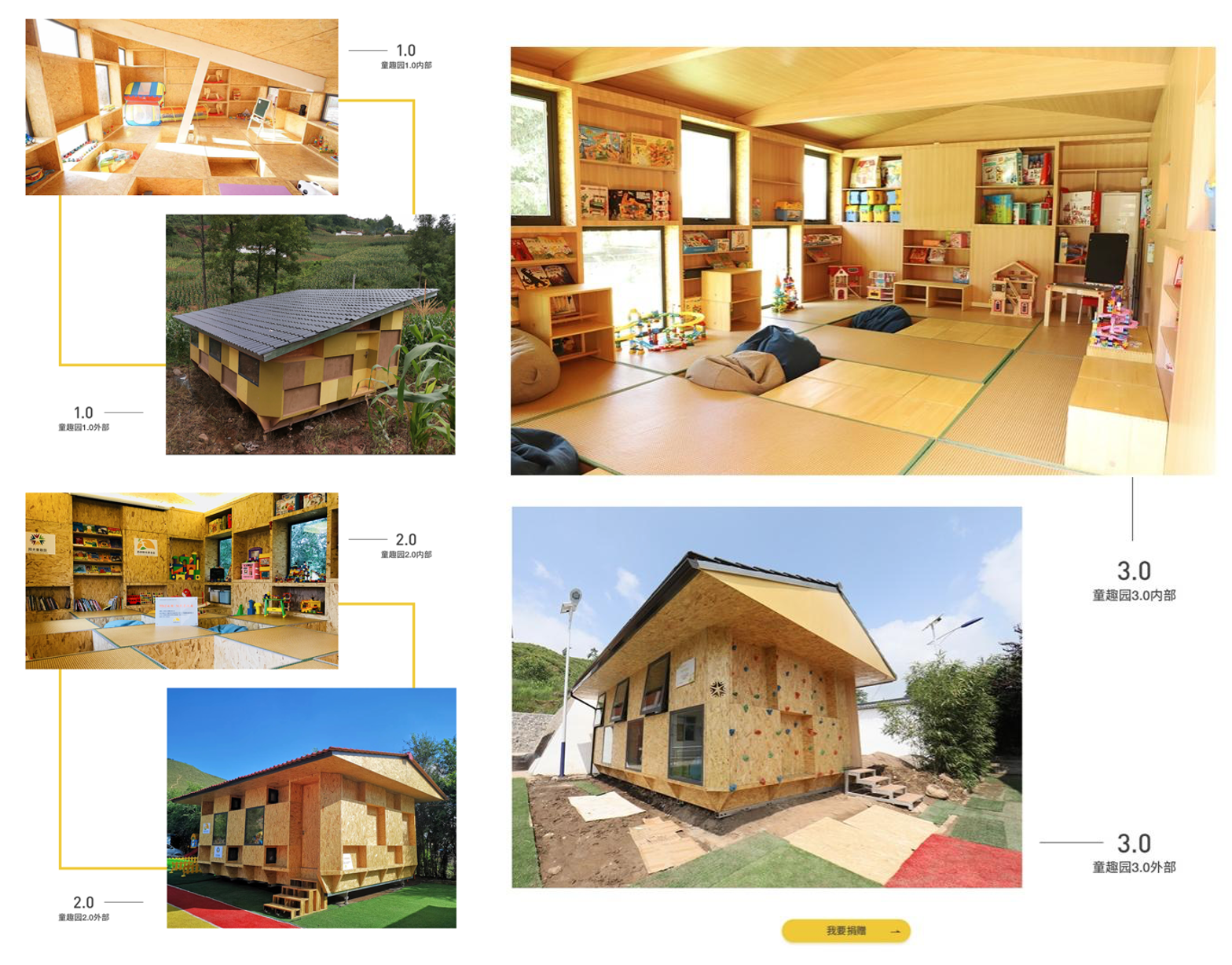
In 2006, China was still in the relatively early stages of an ongoing effort to enroll children across the country in early childhood education. In one of its first initiatives, the Western Sunshine Foundation focused on the “last mile” of this enrollment effort by trying to develop a replicable, sustainable model for early childhood education that could work in areas where there were fewif any places to gather for school and few materials other than the natural resources these environments. A key part of that approach was the design for small, “micro-kindergartens” (referred to as “Sunshine Kindergartens”) that could serve children from 3- 6 years old and that could be constructed relatively easily even in the harshest conditions. The design of the Sunshine Kindergartens feature lightweight, prefabricated materials that can be assembled quickly by local volunteers. That design evolved through three iterations, and as of December 2023, the project had built 192 Sunshine Children’s Parks in more than 25counties in 14 provinces across China, serving over 30,000 children. In addition to building the facilities, the Foundation sought to make the kindergartens sustainable by also providing training and support for teachers and offering guidance to help local governments manage these small, decentralized education centers. 
3 versions of the model for the Sunshine kindergarten

Filling a caretaker role for “left behind” children
Since those early days of the Foundation, the declining births in China and the migration to urban centers have contributed to a fresh series of challenges. Dropping school enrollments mean that schools in some of the most remote areas are closing, forcing more children to move or to travel long-distances to schools in “peri-urban” areas. As a consequence, many have been left behind by parents who have gone to work in cities, but they have also left behind their home villages, making it harder to maintain connections to family and friends and leading them to question their identities as members of farming communities. Li describes this as a new “double burden” for these rural children – separated from their parents and going to school in situations where they lack relationships with and trust in those around them. 

The consolidation of schools also contributes to the number of students, some as young as 5 or 6, who have to board at their schools. That adds a whole new set of responsibilities for their teachers, some of whom have to spend 24 hours a day with their students – teaching them in the classroom and caring for them in the dorms. In response to this situation, in addition to the major focus on scaling up the Sunshine kindergartens, the Foundation also established the Companionship and Assistance Project to prepare young volunteers with training and supervision to act as school social workers who support the learning and mental health of the rural boarding school students, and help coordinate the relationships between students, parents, and teachers. These volunteers aim to help these children participate in schools, support their learning, and address issues of internet addiction and bullying. 

Providing training and support for teachers
The lack of facilities and materials and the need to provide pedagogical and social and emotional support places a special burden on teachers in these rural areas. Many of the teachers are fresh out of college and have no experience with developmentally appropriate education or parenting. The declining population of primary school students means that the local education bureaus also asks some primary school teachers to serve in the kindergartens, but they don’t have experience with early childhood education either.  Under these conditions, lecturing – telling students what to do – is common both for teaching in the classroom and for discipline in the dorms. Compounding the challenges for the early childhood educators, the declining population and decreasing enrollments leads to kindergartens with only 20 – 30 students, requiring consolidation into one mixed age class. With little training or experience with differentiation, kindergarten teachers generally end up trying to implement one curriculum for all their students, regardless of age or needs.               

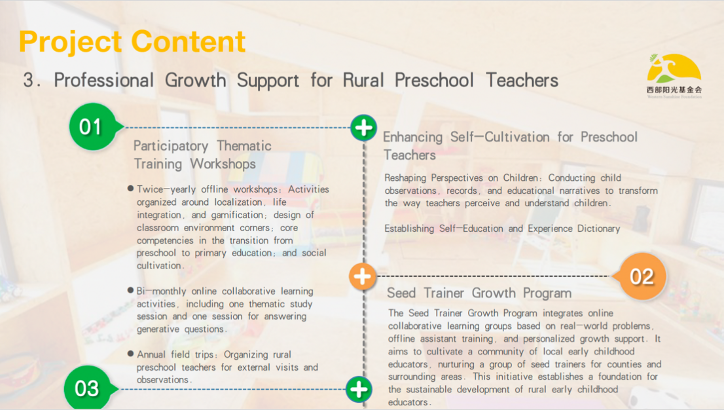
Given these challenges, the Foundation now provides early childhood teachers with materials and training to help prepare them for the unique demands of their rural context. For preschool teachers, for example, these efforts combine online teaching and research with offline training and study tours to provide sustained support. 

Key elements in the professional growth supports provided by the Beijing Western Sunshine Rural Development Foundation

Ongoing challenges
To carry out these initiatives, the Foundation constantly works to foster a wider understanding of the needs of rural children and the benefits of developmentally appropriate and student-centered education. That means confronting the pervasive belief that children’s only pathway to success is scoring high on exams – and leaving their rural homes for better schools and universities in urban areas. In turn, many donors, teachers and parents assume that success on exams depends on teacher-directed instruction further discouraging schools from trying to change their conventional practices. 

This focus on exams makes things particularly difficult for the Foundation as many of their projects and activities aim to support students’ long-term growth and do not necessarily lead to quick or clear results in their academic performance. The difficulty in directly promoting success in school has gotten harder after COVID as many schools are less interested in sharing their space or cooperating with an NGO both because of safety concerns and because of the constant pressure to keep school time and activities focused on academic achievement. As a result, the Foundation has expanded programs and activities that engage students in activities after school or on weekends or during vacations, but many donors see these outside of school activities as having more limited impact. 

To respond to these concerns, the Foundation has in some cases organized trips so that donors can visit the remote villages and engage in the same kinds of project design efforts as their young project volunteers. Li gave one example of a group of donors who spent several days identifying critical problems facing the local youth and trying to work with the students to address the problems. The donors chose to focus on school-related problems that involved developing activities within a school context, but then the school administration told the group of donors there was no time during the school day for the projects. Instead, the school told the donors they could only carry out the projects from 5 – 7 PM, when the students needed to rest.  Through this kind of engagement, donors began to get a better sense of the constraints and possibilities for improvement. As Li said, donors may still be skeptical, but some develop a curiosity about the possibilities and are willing to see what happens. 

More locally, the Foundation also tries to make the benefits of developmentally appropriate education visible by engaging local community members in their activities whenever they can. Those efforts include performances and exhibitions of the children’s work at community events and festivals and invitations for grandparents and other caretakers to join the students on hikes and other weekend activities. 

Li also described one of her own experiences as a volunteer and how she built support for children’ activities in her village. In this case, the children she worked with, ranging in age from about 7 to 11, wanted to go see some of the other villages in their area. They had never made the trip beyond their local area because they had neither bikes nor the money to buy any.  But they did have internet access. With her encouragement, the children turned to AI, asking “How can we get bikes when we have no money?” AI responded that new bikes can be created by recombining the parts of old bikes. Energized, the students searched the village for abandoned bikes and manage to build 12 bikes. “Of course,” Li explained, “the villagers opposed the whole project,” assuming that such young children couldn’t build the bikes and concerned that such a long trip and ride would be too dangerous. To change their minds and gain their support, after the bikes were built, Li and her colleagues organized a ride around the village to show the students’ accomplishments and invited the community to watch and participate. 

Into the future 
Looking ahead, the Foundation aims to continue to build the Sunshine kindergartens in underserved areas, and it is also developing a new model for community children’s centers that can support all kinds of activities after school, on the weekends and over the summer. All of this work, however, relies on those who can both recognize the challenges that rural children face and who can see the potential that they have. In terms of her own motivation, Li explained that she wants to continue to and expand this work both because of her love for the children she works with and because she herself was left behind in a small village. Despite considerable obstacles, she made her way to university, and she had the opportunity to learn how to communicate and to learn about child development and mental health. She wants to make sure that rural children today will not have to experience the same difficulties that she did and can learn how to take care of themselves at much earlier ages.

Resilience, Trust, and Change: Tapio Lahtero on the work of the principal in Finland during and after COVID (Part 3) 

In the third part of this three-part interview, Tapio Lahtero discusses the impact of the pandemic on student learning and concludes with reflections on Finland’s efforts to develop more interdisciplinary curriculum and to reform upper secondary matriculation exams. The first part of the interview focused on how the schools Lahtero leads responded initially to the school closures and how they developed their digital competence (Leading when following is not required). The second part addressed how the schools Lahtero leads continued to carry out their key role as teacher training schools and addressed concerns about students’ mental health (Sustaining teacher education and supporting students’ mental health).

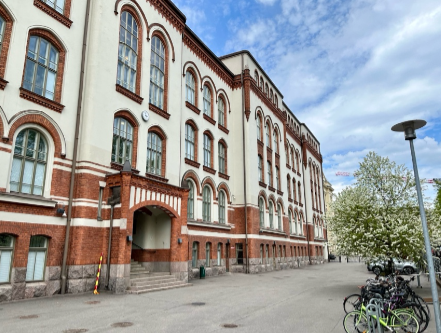
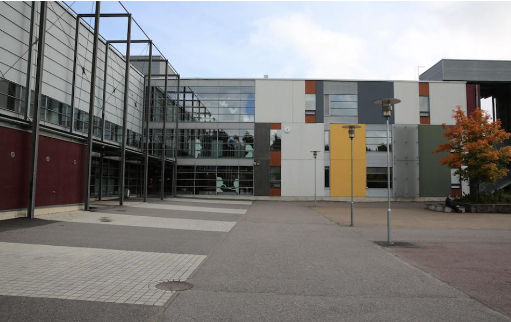
Lahtero serves as the Administrative Principal of both Teacher Training Schools of the University of Helsinki – Viikki Teacher Training School and Helsinki Normal School. He also leads the principal training program of the University of Helsinki and has written extensively on issues of leadership in Finland.  This post is one part of a continuing series looking at what aspects of schooling and education are and are not changing following the school closures in different education systems. For more from the series, see “What can change in schools after the pandemic?” and “ We will now resume our regular programming.  Previous interviews and posts have also looked at developments in the Netherlands, ItalyPolandFinlandNew ZealandSouth Africa, and Vietnam. This article was originally posted on internationalednews.com on October 16, 2024.

Thomas Hatch (TH):  What about learning loss – in the US, there’s a lot of talk about learning loss and that students test scores have gone way down and that some may never recover. I know that there has not been as much of a discussion about this in Finland, but have you seen any evidence of this kind of effect on academics or on particular groups of students such as immigrant students or those from lower socioeconomic backgrounds?

Tapio Lahtero (TL): Some students dropped out during COVID, but not that many in our schools. It is not only because of us, though; it is because of the socioeconomic environment around our schools. But I know that in some schools, there were dropouts and teachers couldn’t get into contact with them. Some students didn’t participate in virtual meetings, and even some students who did, wouldn’t turn on their cameras, so we couldn’t tell what was happening with these students. Maybe learning loss is the wrong word for this. Maybe it’s more like “pupil loss.” We lost these students. We don’t know where they are. This is, of course, quite a bad thing, especially because this often happened with the students who had the most difficulties before COVID. However, when it comes to the so-called “average” student there was not as much direct effect on academics, but these mental issues contributed to learning loss indirectly.

TH: You’ve talked about a number of changes you made in response to COVID, including changing the digital environment, particularly in terms of meetings and communication; some new digital tools are being used; and you’ve hired some additional special educators or other staff. Are there any other major changes you’ve made?  For example, many in the US are trying to implement more tutoring, are there other things that you’ve had to do now that you haven’t had to do before?

TL: The school is like an athlete who needs continuous training. When the match begins, they should be in good condition, technically sound, and well-prepared. If there are significant difficulties with teachers not trusting each other or lacking trust in the principal, then we are in trouble. All these aspects need to be in good condition for the school to function effectively. Now, with uncertainty about when the “match” (normal operations) will start, we need to stay vigilant and maintain readiness. It’s crucial to have a solid foundation in various aspects for the school to function well.

TH:  I’ve used this metaphor as well. I think it’s part of the global lesson, although we already knew it in some ways. When schools or school systems were already in good condition, they took a hit, and staggered, maybe even got knocked down, but they could get up. Other schools and systems that were already struggling are more like boxers in the sixth round who have already been knocked down a few times. When they get hit, they go down, and it takes them much longer to get back up.

TL: Yes, and let’s think about my relationship with my Dean [my boss]. I don’t need to be afraid of our Dean. What would happen if I was afraid of making a mistake? Maybe because of that I wouldn’t have the courage to do anything.  But I don’t need to be afraid, and that’s why I have the courage to do these things.

TH:  That’s fascinating. I’d like to get your take on a couple of other things before we end. Have you seen what I would call “micro-innovations” that your teachers have developed during COVID to help them teach specific skills or topics?

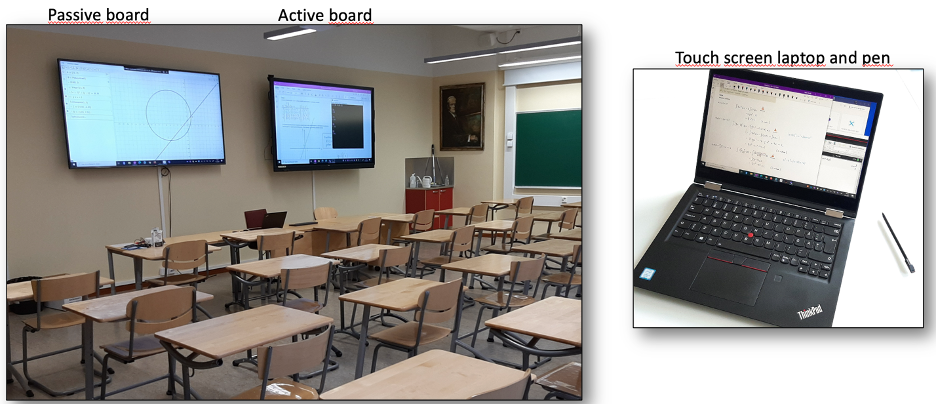
TL: Yes, we have a good example from one our math teachers, Päivi Kivelä. It started before COVID when she was a new teacher. After just two weeks working here, she went to one of our Assistant Principals and said, “I can’t work here; this school is too old.” She said “I have a method, and I need two smartboards – one ‘passive’ and one ‘active.’” The Assistant Principal asked me what to do. I said, “We have to try these boards. I want to see what exactly happens.” We found out that the active” board was a touchscreen where she wrote and calculated mathematical examples, and then her work was transmitted to all the pupils’ computers. Afterward, students could review the examples, and they could see the result, but also the steps the teacher went through. The passive board is just a typical screen for the teacher or student to project examples or answers. And then other math teachers in the school noticed and said they wanted to use this method too. So we put more of these dual screens in our classrooms.

Key equipment for the passive board/active board approach

When COVD started, they could use this same method for remote teaching by using a touchscreen laptop computer. Microsoft was so interested in this method that they made their own video [in Finnish] about what Päivi was doing. This is a good example because it is a new pedagogical solution that saves evergy and helps students to learn. Now, this solution has been adopted more widely by our chemistry and physics teachers as well.

TH:  That’s a fabulous example! I also wanted to ask you about Finland’s efforts to develop more of what in the US we call interdisciplinary learning. Here in Finland you call it transversal or phenomena-based learning, and when I was in Finland the last time in 2016, the latest curriculum reform was being discussed, including the importance of pursuing more phenomena-based learning. Now, on this visit, I haven’t heard much talk about it.  Have you seen any innovations in your schools in terms of transversal or phenomenon-based learning?

TL: You actually can’t find the word phenomenon-based learning in the national curriculum. Our new curriculum is quite nice, but I cannot find any major differences with earlier curricula. Some of the same kind of ideas about phenomenon-based learning were found in earlier curriculums. When the new core curriculum came out in 2016 some people and the media started to talk a lot about phenomenon-based learning because, of course, they found the idea very cool. But we haven’t talked that much more about it because it already happens. We use the method every day in primary school education and quite a lot also in lower and upper secondary school education. There may be more now than before, but I think we don’t find a lot of schools where the whole thing is phenomenon-based learning.

TH:  But the latest curriculum does say every student should engage in a module with transversal learning every year?  How do you make sure that happens?

TL: Yes, and we make sure that happens, but not by measuring. I know it happens. In primary school, our teachers have co-teaching sometimes, and I know when they have co-teaching, they do projects that are organized around some phenomenon. It’s a quite normal way for them to teach, and it has been going on for some time. But we have changed our system in some ways. For example, in the Viikki school, where we have more space, all three first grade teachers are in one classroom, and they can group things flexibly, and they have a special education teacher who is the fourth teacher in the room. They have projects where they put different subjects together. And if you read their timetables, it cannot say that this lesson is math; they feel they’re teaching in a different way. In lower secondary school where we have subject teachers, we don’t have as many possibilities, but we also have some co-teaching projects. For example, history teachers, physics teachers, and mother tongue teachers have a yearly project together, and I know all our students go through this project. Every year, we also have other yearly projects. For example, we have a “Light Week” in the fall, and during this week, at the whole school level, we have different projects that link different subjects together to study light and electricity.

TH:  I also wanted to ask you about the upper secondary schools and the matriculation exams. I know that a reform has been passed, but that right now students who do well on the mathematics exams have a better chance of getting in to university. Have you seen any positive or negative effects of that?

TL:  Negative. You can say that the higher level of education always leads the orchestra. What happens in the university always leads what happens at the upper secondary level; and the upper secondary schools leads the orchestra for the lower secondary schools.  When students in lower secondary schools want to get into high-level upper secondary schools, they are very interested in their grades in mathematics, mother tongue, and so on. When we have these weeks for projects, some pupils and parents don’t like that because they are just focused on getting high grades in the subjects. Now, our upper secondary school students know that the system is that you need high grades in mathematics. Even if you want to study history, you need high grades in mathematics. If you want to pursue law or become a medical doctor, you need high grades in mathematics. So all of them want to take mathematics, but they struggle because they dislike mathematics, but they have to do it because it is so important both for the exam and for their grade point average if they want to go to university. Now, they have changed the system, and in the fall of 2024, our new students in lower secondary school they knew that the university system is going to be a bit different when they get there. I hope it’s even possible for people who love history and want to study history at the university to concentrate on history. We really hope this helps the situation. Students could choose more languages, more humanistic studies, and more.

Sustaining teacher education and supporting students’ mental health: Tapio Lahtero on the work of the principal in Finland during and after COVID (Part 2)

What does school leadership look like in Finland? Tapio Lahtero shares his perspective on what it was like to lead schools with well-prepared but highly autonomous educators through the challenges created by the COVID-19 pandemic. The second part of this three-part interview describes how the schools he leads continued to carry out their key role as teacher training institutions and addressed concerns about students’ mental health. The first part of the interview concentrated on how the schools responded to the school closures and developed their digital competence (Leading when following is not required: Tapio Lahtero on the work of the principal in Finland during and after COVID (Part 1)). The third part of the interview will discuss the impact of the pandemic on student learning and the progress and prospects of Finland’s efforts to develop more “phenomenon-based learning” and to reform upper secondary matriculation exams.

Lahtero serves as the Administrative Principal of both Teacher Training Schools of the University of Helsinki – Viikki Teacher Training School and Helsinki Normal School. He also leads the principal training program of the University of Helsinki and has written extensively on issues of leadership in Finland. This post is one part of a continuing series looking at what aspects of schooling and education are and are not changing following the school closures in different education systems. For more from the series, see “What can change in schools after the pandemic?” and “We will now resume our regular programming.”  Previous interviews and posts have also looked at developments in the Netherlands, Italy, Poland, FinlandNew ZealandSouth Africa, and Vietnam. This article was originally posted on internationalednews.com on October 9, 2024.

Tapio Lahtero (TL): With teacher training we also continued in our normal way. The student teachers still observed lessons. They had a link so they could come and observe what happens in our virtual classroom. When the teachers and pupils worked in small groups in breakout rooms, the student teachers could join the breakout room and observe. The student teachers also had to do their own lessons, so we told them you have to learn how to use these devices and give your lessons virtually, and they would share their screen and work with the students in breakout rooms. After the lesson, the student teachers and our teachers had their feedback discussion, and we had group seminars with the student teachers and our teachers using Microsoft Teams. The student teachers sent their lesson plans via email, and after that they would have another Teams meeting to discuss how to improve their plans. It was all like before but online. And this all happened overnight, and we made sure that the student teachers could submit everything they had to for their programs on time. But it was not a rich enough experience for the student teachers, particularly in how to help them meet and create connection with students. I’m not happy when it comes to those kinds of things, but somehow it was quite unbelievable that we could really change our system. If I think about my leadership in that kind of crisis, the Finnish way to lead schools is to talk with teachers, trust them, ask for advice. But in that crisis, I needed to give straight orders, and the first order I gave is that nothing changes. Everything continues as normal, but I knew the teachers and staff struggled.
TH: Did you ever consider another option? Did you think about taking a week off to figure things out and then come back?  Why did you know that you had to continue this way?

TL: In Finland, we have very strong cultural reasons for keeping schools open.  Even with hospitals, it is possible to say that today we have big problems, and we can’t take patients.  But with schools, even during the Second World War and times of bombing in Helsinki and Turku, schools operated. Our role in school is to take care that our society works as normally as possible. I think that is the answer, because you can’t find any teacher or principal who could even think that “today we don’t have school.” For some reason, it’s not possible. I cannot think like that. I can think of one situation when I worked as the Superintendent of Basic Education in the city of Vantaa, when a school building burned down overnight. The morning after, the school was destroyed, and in that situation, we had one day without school. But the next day, we had school in some other buildings. That is the only exception I know. It is cultural. I know that in many countries, they just closed or waited. But in Finland, we have autonomy, and I think we have a climate where we should not be scared if we make mistakes. We continue.

TH: What about your new teachers…The school had worked on digitization for two years, but you had new teachers. Did you have to do anything special to get them ready for digitization and the move to remote learning?

TL: After we had developed solid systems, all our administrative operations happen in Teams. Meetings occur in Teams; discussions in the teacher room happen in Teams; and various memos and materials are stored in Teams. Nowadays, when we have new teachers, the system is that they come to work in this digital environment.  It’s not something extra. Before, with new teachers, we had to tell them that we have this extra system, and we need to teach you how to use it, and we have to hope that they use it. But now, they cannot work here at all without using these digital environments. Now the landscape is very different too. Especially when we recruit younger teachers, they are already better using these tools.  It’s more natural now. It was trickier before we had a uniform system.

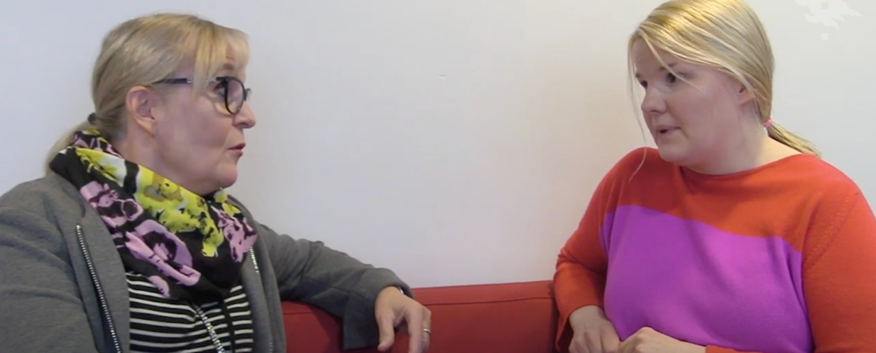
Sirkku Myllyntuasta, Teacher Training Coordinator at the Viikki School, talks with Karolina Salonen, a teacher trainee

TH: Are there particular things that weren’t digital before but that are digital now? Do teachers still have some of their meetings online or digitally?

TL: We have a lot of meetings with different working groups and teams, like a school culture team, a wellbeing team, subject based teams, the class level teachers in the primary school, and the leadership team. We also have meetings with the staff of each of the schools, and we also have some meetings for all the teachers, that are sometimes followed by smaller group discussions. Some groups, like subject teachers, can decide whether they want to meet face-to-face or online, and often they choose to meet online. Leadership teams often prefer face-to-face but sometimes may decide to meet virtually. Every Wednesday, there’s a one-hour time window when all teachers need to be present, and then the principals of each school make the decision whether it’s face-to-face or online. We also have the meetings for mentoring or guiding the student teachers and more and more these meetings are online.

TH: You said one of the downsides during COVID was that student teachers didn’t have a chance to develop personal relationships with students. Are there other issues coming out of COVID? Are people doing too much digitization?

TL: I think we are finding the right balance with digitization. But during the COVID time, maybe I couldn’t really understand how bad things were for people. I read newspapers, and I discussed it with researchers, and they mentioned that this was a very heavy for time students, principals, and teachers. But I think I understand it better and better now. For example, for upper secondary school students a very significant part of their school years were during COVID, and they have many more mental health issues than students of the same age had before. When COVID came, our teacher organization didn’t meet for a long time, and even when we were present in school, we couldn’t come together in the teacher’s room. We worked alone, month after month. We have not found the same level of community, and it takes time. Many teachers are very tired, and they have not recovered and the same happens with principals.

TH: Have you seen other evidence of issues with student well-being in your school? Are more students needing counseling, and how have you responded? How do you know about it? Do teachers report it to you?

TL: When I read the newspapers and when I discussed this with researchers, they describe this phenomenon nationwide. After that, I can recognize the same phenomena in my own school. It’s not easy for a single principal with 1,700 students, but I can see some difficulties among our upper secondary school students. Normally, when they start the school year, we have different kinds of programs, and we try to create a good understanding about the school, and we try to create good groups. I have been doing this for a couple of years, but now we have had much more difficulties in this. Sometimes I think they don’t feel they are part of the group like before. When it comes to our teachers and their cooperation and sense of community, I can feel differences compared to before COVID.

TH: Have you had to do anything differently as a principal to deal with these mental health issues, like hire more counselors?

TL: We’ve been able to adapt the structures and personnel we have to address these challenges. But we also receive project funds every year to support various initiatives or to support students with different learning needs, and, then we also received additional funds for addressing COVID-related challenges. With this money, we’ve hired more school assistants and more special education teachers. But we’ve used these people in a different way. For example, at our Viikki campus, the role of these new people has been somewhat different. We have had special education teachers that work with our primary school students and special education teachers that work with our lower secondary school teachers, but this new teacher starts working with 6th graders at the end of primary school and then will continue with them into lower secondary school to support their transition.

Next week: Resilience, Trust, and Change: Tapio Lahtero on the work of the principal in Finland during and after COVID (Part 3)

Leading when following is not required: Tapio Lahtero on the work of the principal in Finland during and after COVID (Part 1)

What does school leadership look like in Finland? Tapio Lahtero shares his perspective on what it was like to lead schools with well-prepared but highly autonomous educators through the challenges created by the COVID-19 pandemic. The first part of this three-part interview focuses on how the schools he leads responded to the initial shift to remote learning and accelerated the development of the digital competence of the whole staff. The second and third parts highlight how the schools continued to carry out their key role as teacher training institutions during the pandemic, describes how the schools have addressed concerns about students’ mental health and learning, and discusses the progress and prospects of major reform initiatives to support more “phenomenon-based learning” and improve the matriculation exams in Finland.

Lahtero serves as the Administrative Principal of both Teacher Training Schools of the University of Helsinki – Viikki Teacher Training School and Helsinki Normal School. He also leads the principal training program of the University of Helsinki and has written extensively on issues of leadership in Finland. This post is one part of a continuing series looking at aspects of schooling and education that are and are not changing following the school closures in different education systems. For more from the series, see “What can change in schools after the pandemic?” and “ We will now resume our regular programming“. Previous interviews and posts have also looked at developments in the Netherlands, ItalyPolandFinlandNew ZealandSouth Africa, and Vietnam. This article was originally posted on internationalednews.com on October 2, 2024.


Thomas Hatch (TH): Your official appointment is at the University of Helsinki, where you are the administrator in charge of the two teacher training schools that are part of the University of Helsinki’s Teacher Education Program, can you tell me how this is organized? Who do you report to?

Tapio Lahtero (TL): This is a bit unusual, but the principals of the two training schools report to me; I report to the Dean of the University of Helsinki and also directly to the Ministry of Education. The Ministry of Education and the Ministry of Finance provide funds directly to the two schools. The system isn’t that they give money to the university, and the university gives it to us. The funds come directly from the Ministry. That’s why I report directly to the Ministry as well.

The Ministry of Education has different Departments – the Department of Higher Education, Department of Basic Education, Department of Upper Secondary School Education – and I cooperate with all of them. That’s because in our teacher training role we are part of higher education. But at the same time, we also are a normal neighborhood school for Helsinki pupils, and I need to talk with the Department of Basic Education too.

TH: I’m particularly interested in how schools in different education systems responded to the COVID-19 pandemic. I understand the Ministry made the initial decision to close the schools early in the pandemic, but can you tell me about how schools in Finland responded?

TL: I think we were quite successful in Finland in dealing with the COVID situation, and one reason is the high level of autonomy for municipalities, principals, and teachers. We didn’t wait for commands from the Ministry. The situation was so complicated that I don’t believe it was even possible to give instructions to everybody at once in a short time. I know in many parts of the world, principals waited, and they
waited and waited practically until COVID was over. But in Finland, we transformed our system overnight.

Of course, there were some differences. Some municipalities and schools performed well, but some municipalities struggled to find effective solutions. What are the reasons we had these differences? One reason for the differences is resources. For instance, in our teacher training schools, we could give every student their own laptops the day before the closures. And then the next day, the school continued with a “normal” day, but we were online. We had exactly the same lessons, timetables, lunch breaks,
everything.

TH: But the decision to close was made at the national level, wasn’t it?

TL: We knew this decision was coming, but, at that moment, it was really up to us to decide whether or how to get every student a laptop. If you wait until you know the decision will come, then it is too late to do any radical things. You are ready or you are not ready. That means whatever you did two years before is really crucial. For the schools and municipalities that had developed ICT-based pedagogies and had invested in devices in earlier years, closing the next day wasn’t a big issue. We were in a hurry, and it was hard work, and it was mentally challenging, but we didn’t encounter major problems. However, the municipalities that had not done their homework, or who felt this ICT-pedagogy is too difficult or these devices are too expensive, they had problems because in one week, in one month, you can’t do any miracles. It’s not possible. I know that in some places in Finland the teachers had to write the assignments on paper, and then walk around the municipality and deliver them to the students. But of course, with a high level of autonomy, quite soon they developed their systems. For example, they used mobile phones; they used applications like WhatsApp, which may not be ideal normally but were okay for the COVID situation.

Also, in our school in Viikki, our first and second graders they hardly know how to read, so they barely know how to open or use the computer for online learning. So when we knew the schools were going to close, that same day, I sent our secretaries to buy “good-enough” mobile phones for our first and second-grade teachers, and they used Whatsapp to start to contact the students and their parents, and during the first week, they met all students and parents via mobile phone. They taught the parents to use the computers and after one or two weeks, the students also knew how to open their computers and see their classmates. It was easier with the older students of course.

It was not a happy time, but we didn’t have huge problems, because we had resources and we had worked hard for several years on our technology. We had bought the computers, but we had also adopted Office 365, and the teachers and the students knew how to use it. That all helped us.

TH: You mentioned that you started this work with technology several years before the pandemic. Did you do that in response to the push for digital competency as part of the curriculum reform in 2016? It wasn’t specifically intended for emergencies or crises, was it?

TL: That’s right. We’ve been developing our digital systems for some time. This is quite funny now, but when we started to buy computers; when we started to train our teachers; and when we started to use Office 365, we ran into many difficulties. Some of our teachers liked it. Some of them didn’t like it. They said “I have my own system; I hate this Office 365. I don’t think this ICT-based pedagogy is very good. I don’t want to learn it…” But, of course, we had some teachers who liked it and who had really high-level skills. As principals, year after year, we tried to build professional learning communities so teachers could learn from each other and share materials. But the results were very small. Changing school culture is not easy. But then COVID came along, and I am a bit bitter because this small virus without a brain was better than I was at changing school culture, and I was supposed to be the expert!

From the beginning of COVID, what happened was that the teachers started to self-organize; they started to give each other advice; they started to ask for help; they started to meet online and share materials; and they started to learn how to use these devices better than before. During this first couple of months during COVID, there was much more of this activity than there was before that. As the administrative principal in charge of the two schools, I had bought devices; I had chosen Office 365; I had ordered some training sessions; I had asked some teachers to help their colleagues; But looking back, I think I had done a good job as the manager, but this small virus did better work as a leader than I had.

Organizational research says that in institutions like schools very strong reforms don’t take place without some crisis. Before COVID, some teachers would give reasons why they couldn’t use technology, but they knew and I knew that the real reason was because they did not have the skills and did not want to develop them. It was like we all knew a secret, but we couldn’t say it out loud. But now after COVID, all our teachers have good enough skills with ICT-based pedagogy, and they can make pedagogical
decisions about whether or not to use technology.

TH: Isn’t the “Finnish Way” to have the teachers involved in the decisions about how to implement the curriculum reforms and whether to adopt Office 365 or other platforms and tools and to come to some consensus?

TL: Normally, municipalities have their autonomy, and the municipalities make these kinds of decisions. But we are not run by a municipality, so it needs to be my decision. Of course, we had prepared, and we had a long process where we asked all the teachers for their input. But even before that process, we knew more than half of the teachers would have to change their systems, whatever platform we chose. If we didn’t make the decision, then we would have a fragmented system. Before this decision, our students had to sign into different systems several times a day, and it caused problems with their personal laptops, so I thought we had to pick one platform.

TH: What’s the legacy of this decision and the uses of technology during the pandemic? You said your teachers now have the skills to use digital pedagogy more effectively. But are they using that pedagogy? Or have they just gone back to teaching the way they were before?

TL: That is an interesting question. I don’t know if we are using technology more effectively now. It also depends exactly what we are talking about. For example, now we digital materials, so we have a paper book and the same book digitally with videos and audio. Now, my question is, what happens with pedagogy? And I’m very skeptical. In my school, I think that teachers can use paper books just as effectively as digital materials. But digital environments, like Office 365, and digital tools are more interesting. Now all our teachers use this digital environment, because it’s easy, and it gives more time for more important things; and our students learn how to work in this kind of digital environment. Then also, in different subjects, teachers use digital methods, and didactics, and materials, and that is okay.

But the question for me, as the principal, is should I control that? I’ve even told one history teacher I hope you don’t use a lot of digital tools, because this teacher is very talented at telling stories. Students love these stories, and they love history as a subject. Why should I, as the principal, tell him to use digital tools and stop telling stories? The question isn’t how much do teachers use technology, the question is what do students learn? So not every teacher in every subject needs to use these tools in the same way.

TH: Anything else you want to add about your leadership during COVID?

TL: Well, I don’t think it’s possible for the organization to operate in different ways at different levels. If I, as the principal, ask teachers to use ICT-based pedagogies, but I don’t use it, then it’s a paradox. COVID helped us because we changed all our meetings– our teacher meetings, our team meetings, our leadership meetings – to using Office 365, and then even after COVID, we continued using these kinds of tools. Now I can say that our whole organization, not only at the pedagogical level but also at the administrative level, works at a new way. But before COVID, we really hadn’t used Office 365 for administration before that. Maybe that’s one reason why I wasn’t so successful before this little COVID guy forced me to work in a new way.

Next Week: Sustaining teacher education and supporting students’ mental health: Tapio Lahtero on the work of the principal in Finland during and after COVID (Part 2)

Leading headlines from OECD’s Education at a Glance: September 2024 Edition

This week, IEN scans the headlines reporting on this year’s OECD Education at a Glance for 2024. Published on September 10th 2024, this year’s report focuses particularly on equity and disparities in opportunities at every level of education. Every year, the report also summarizes recent developments in access, participation, and progress in education across countries. Overall, secondary attainment improved as have educational and labour-market outcomes for youth most at risk of falling behind. The earnings gap between females and males shrank, but girls and women continue to earn less than boys and men, despite outperforming them on most measures. The headlines about the report compiled in this scan, highlight issues such as decreases in education funding and increases in teacher-student ratios in some countries. For some historical context, see IEN’s coverage of previous reports: Education at a Glance 2023 Scan, Education at a Glance 2022 Scan, Education at a Glance 2021 Scan, Education at a Glance 2019 Scan. This article was originally posted on internationalednews.com on September 25, 2024.

Global

Financial incentives not enough to fix teacher shortages across the OECD, EducationHQ

Teacher recruitment woes are not unique to Australia, with a major new OECD report finding many countries are grappling with critical staff shortages, along with an ageing workforce that carries a marked gender imbalance.

Albania

OECD report: Albania far from the EU and last in the region for digital skills, CNA.al

Australia

New report highlights inequity in Australia’s schools, The Educator

Australia significantly underperforms against most OECD countries when it comes to investing in public
schools, new data shows.


Australia spending more on private schools than other developed nations, Nine News

“The gap in Australia’s education system has been revealed in new research examining
global schooling trends.”

Brazil

Brazil’s compulsory schooling surpasses OECD average, Agência Brasil

Finland

Education at a Glance: Major gender differences in education paths found among OECD countries – international comparison shows Finland’s situation remains largely unchanged, Finnish Government

The Organisation for Economic Co-operation and Development (OECD) has published its Education at a Glance, an annual publication of indicators describing education systems.”

Hungary

Ministry: OECD acknowledges achievements of Hungarian public education, The Budapest Times

“A high proportion of children in Hungary receive pre-school education, while the
ratio of children to teachers and the number of students who drop out or repeat a grade is below average…”

Ireland

Ireland ranks last in investment in education in OECD, RTE

“The organisation’s latest Education at a Glance report places Ireland last out of 34 countries when it comes to the proportion of its GDP that it invests in education.”

Irish principals condemn ‘vacuous’ OECD review which missed ‘severe deprivation’ in some schools, The Irish Times

Italy

Italian female college graduates earn half the income of men, Agenzia ANSA

“Young women with a university degree in Italy on average earn roughly half the income of their male counterparts, or 58%, the widest gender gap recorded in the 38-country area of the Organization for Economic Cooperation and Development(OECD), according to a report out on Tuesday.”

Korea

Young Korean women are more educated, less employed than men, OECD finds, The Hankyoreh

Korean teachers handling larger classes, but starting pay lags behind OECD average, The Korea Herald

Portugal

Immigrant students up by 160%, The Portugal News

The number of immigrant students in Portuguese schools has increased by 160% over the last five years, and the Ministry of Education is preparing a set of mechanisms for schools to integrate these children and young people.”

Portuguese families lead in preschool spending, The Portugal News

Spain

School enrolment for 0 to 3-year-olds in Spain rises ten points in a decade, exceeding OECD and EU averages, La Moncloa

Türkiye

Türkiye’s school enrollment hits 98.8% for ages 6-14 in 2023, Daily Sabah

“In Türkiye, as of 2023, the school enrollment rate for the 6-14 age group was 98.8%, while the education participation rate for the 15-19 age group was 73%.”

United Kingdom

UK among nations with lowest spending per child on pre-primary education – OECD, Guardian-Series

“In early childhood education, expenditure per child in the UK is around 6,893 dollars (£5,272), according to the Organisation for Economic Co-operation and Development’s (OECD) latest Education at a Glance study. This is compared with around 11,735 dollars (£8,976) per child on average across OECD countries with data available.”

UK primary class sizes among biggest in industrialised world, report finds, The Guardian

Only Chile exceeds UK’s 27 pupils a class in OECD study, with UK pupil-teacher ratio also among highest.”

Banning Cell Phones Around the World? Scanning the Back-to-School Headlines for 2024-25 (Part 3)

Today, we roundup some of the many headlines that discuss the banning of cellphones as students head back to school in many parts of the world. Part 1 of this year’s Back-to-School scan provided an overview of some of the many election-related education stories that have appeared in the press as the new school year begins in the northern hemisphere (Politics, Policies, and Polarization: Scanning the 2024-25 Back-To-School Headlines in the US). Part 2 brought together stories addressing the cost of supplies, shortages – particularly of bus drivers, hot weather and other issues (Supplies, Shortages, and Other Disruptions? Scanning the Back-to-School Headlines for 2024-25). This article was originally posted on internationalednews.com on September 19, 2024.

Why Schools Are Racing to Ban Student Phones , The New York Times

Cellphone bans in schools take center stage amid mental health crisis, ABC News

There are cellphone bans in schools around the world. Do any of them work?, CBC News

What Research Shows About Smartphone Bans In Schools, Science Friday

Saying phones should be banned in schools is easy. Actually doing it is a lot more complicated, Yahoo! News

School Cellphone Bans Complicated by Logistics, Politics and Violence, Politico

Do smartphone bans work if parents push back?, USA Today

Parents push back on school cellphone bans, K-12 Dive

78% of parents polled want their children to have cellphone access during the school day in case there’s an emergency. Some 58% said cellphone access is needed so parents can get in touch with their children and find out where they are, and 48% said contact is needed to coordinate transportation.

Why do parents oppose cell phone bans? They want to reach their kids if ‘the worst happens.’, Chalkbeat

Cellphone Bans Around the World

Back to School in Central Europe… With or Without Phones, Balkan Institute

European schools crack down on mobile phone use over health concerns, Yahoo! News

Back to school: France tests smartphone ban in 200 middle schools, EuroNews

The state does not contribute to funding this test ban, leaving the financial burden to the country’s departments responsible for funding middle schools, some of which consider it too heavy.

France to trial ban on mobile phones at school for children under 15, The Guardian

Mobile phones to be banned in Greek schools from September, Euronews

Hungary sacks principal for opposing new phone ban in schools, The Strait Times

Netherlands: Nationwide ban on phones in schools underway, DW

Cell phones, smart watches, and tablets are now banned for pupils at Dutch primary and secondary schools. The Dutch government called them a “distraction” that reduces academic performance and social interaction.

Schools in Singapore impose phone bans to reduce distractions, rekindle social interaction, The Strait Times

Cellphone Bans in Canada

On the first day of school, Canada’s new student cellphone bans will face a crucial test, The Globe And Mail

Cellphones will be banned in Ontario classrooms when students return next week. Here is how it will work, CP24

Ontario’s new school cellphone ban has started. Why we should prepare for ‘a hard transition’, Toronto Star

B.C. brings in ‘bell-to-bell’ school cellphone ban, CBC

B.C.’s phone ban in schools: What students and parents/guardians need to know, Vancouver Sun

Cellphone bans in Maritime schools should increase academic performance, says school psychologist, CTV News

We are constantly having parts of our brain being drawn to the phone…So, by just either having it on the desk, in our backpack or in our pocket, as long as it’s in reach of us, our brain is continuously thinking about that. And that diverts the attention away from what the teachers are saying… – Clinical and school psychologist Todd Cunningham

Parents hung up on Manitoba’s school cell phone ban, The Winnipeg Sun

How will the new school cellphone bans actually be enforced?, CBC

Cellphone Bans in the United States

Schools across the U.S. restrict cellphones amid growing behavior, mental health, academic concerns, CBS News

Educators…worry that constant access to social media can adversely impact kids’ mental health. A number of studies have made that correlation, finding that time spent on platforms like Instagram and TikTok can lead to anxiety, depression and low self-esteem as kids get harassed or embarrassed online and compare their lives with the polished and carefully curated narratives crafted by others.

A Look at State Efforts to Ban Cellphones in Schools and Implications for Youth Mental Health, KFF

Back To School But Not To Screens: States Ramp Up Cellphone Bans, Forbes

Eight states have already enacted laws about cell phone use in K-12 schools, including outright bans in Florida, Indiana, Louisiana, and South Carolina…Several others are inching closer to doing the same.

Cell Phone Ban Wagon, The Grade

Cellphone bans becoming more common in California schools, EdSource

‘It’s completely wreaking havoc’: Phone ban in Bay Area schools off to a rough start, SF Gate

Many Connecticut schools are banning cellphones ahead of new school year, and more could follow, CT Insider

Indiana’s cellphone ban means less school drama. But students miss their headphones, NPR

‘We’re not there yet,’ Eric Adams says of NYC-wide school cellphone ban, Chalkbeat New York

Back to school for many NYC students means turn off your cell phone, even without a citywide ban, New York Daily News

South Carolina Board of Education approves statewide cellphone ban, WCBD

Several Texas school districts adopt cellphone bans in classroom. Here’s a list, Austin American-Statesman

Schools across Wisconsin are limiting cell phone use this year, Wisconsin Public Radio

For some historical perspective on how the issues have evolved since the school closures of the COVID-19 pandemic, explore the back-to-school headlines from previous years: